
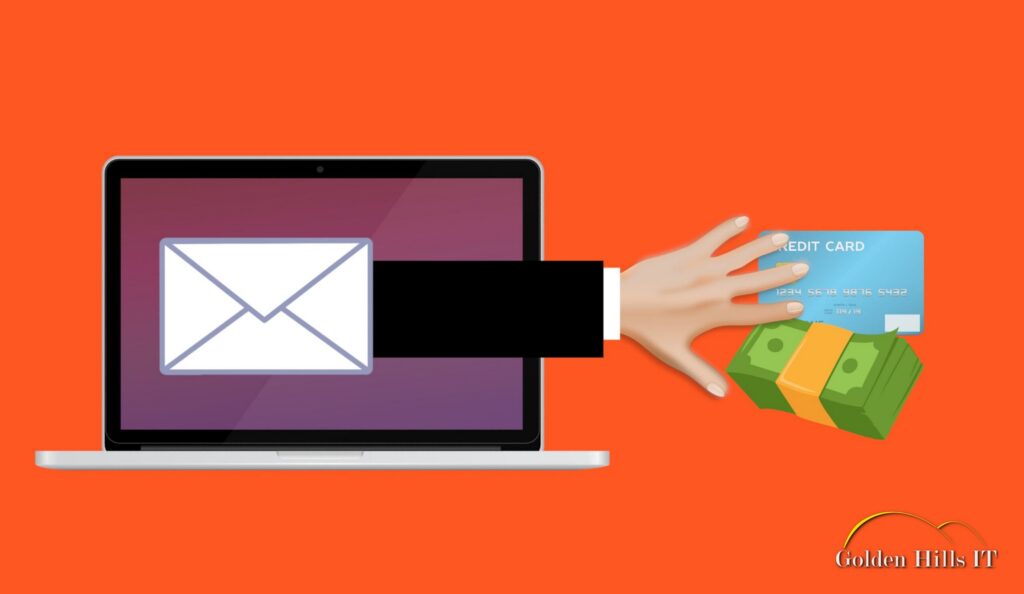
In Tehachapi, scam emails are getting trickier to identify, thanks to scammers using AI. These emails aren’t riddled with mistakes anymore; instead, they’re polished and personal, making them seem more authentic. This shift presents a significant challenge for small businesses and special districts in our area, who must remain on high alert against these sophisticated threats.
Quick answer: Scam emails aren’t as obvious as they used to be, with bad grammar and spelling. Now, the key is to scrutinize what the email is asking you to do, especially if it involves money, logins, or urgent actions. This is particularly vital for businesses in Tehachapi as AI-generated emails become more common and deceptive.
Key takeaways
- AI-generated emails are polished and tailored, making them more challenging to detect.
- Pay close attention to the email’s requests, especially for money transfers or logins, to identify scams.
- Even with solid email security systems, businesses in Tehachapi must remain alert.
- Train employees to verify requests through trusted methods, like phone calls.
- Implement phishing-resistant security measures to guard against stolen credentials.
Why are scam emails harder to detect now?
Gone are the days when scam emails were full of glaring grammar mistakes. Scammers now use AI to craft emails that look and read like genuine business communications. They personalize these messages using easily accessible public information, making them even more convincing. Both the FBI and the UK’s National Cyber Security Centre have pointed out the increased risk from AI-generated emails.
How do I recognize a scam email in 2023?
To spot a scam email now, focus on the actions it wants you to take. Emails that request money transfers, login details, or changes to payment information should raise red flags. Watch for emails that create a sense of urgency or pressure, like threats or tight deadlines. Also, ensure the email address matches the sender’s name.
Checklist to spot scam emails
- Confirm any request for money or bank detail changes by calling a known number.
- Be cautious of emails asking for logins or personal information.
- Look out for urgent or threatening language.
- Verify if the email address matches the sender’s name.
- Be skeptical of unexpected links or attachments.
How can Tehachapi businesses protect themselves?
Relying solely on spam filters isn’t enough for businesses in Tehachapi, as these may not catch all AI-generated scam emails. It’s important to train staff to recognize signs of scams and verify suspicious requests. Employing phishing-resistant multi-factor authentication (MFA) can also add an extra layer of security.
Steps for Protection
-
Employee Training: Regularly schedule training sessions to update employees on the latest phishing tactics. This should include how to identify suspicious emails and what steps to take if they encounter one. Consider role-playing scenarios to make the training more interactive and memorable.
-
Advanced Email Filtering: Invest in advanced email filtering solutions that utilize AI to detect and quarantine suspicious emails. While no system is foolproof, these tools can significantly reduce the number of threats that reach your employees’ inboxes.
-
Multi-Factor Authentication (MFA): Implement MFA across all company systems. This requires users to verify their identity through a second method, such as a text message or authentication app, adding a critical layer of security.
-
Regular Security Audits: Conduct regular audits of your IT infrastructure to identify vulnerabilities. This should be done by a qualified IT professional who can provide recommendations for strengthening your defenses.
-
Incident Response Plan: Develop and maintain a clear incident response plan. Ensure all employees know their roles in the event of a security breach, including who to contact and what steps to follow.
Example: A Tehachapi Retail Business
Picture a Tehachapi retail business that receives an email from what appears to be a known supplier, requesting a change in bank account details for future payments. The email is well-crafted and uses the supplier’s usual sign-off. The business owner, having been trained to spot such scams, decides to call the supplier using a previously verified phone number. This simple verification call reveals that no such request was made, saving the business from a potential financial loss.
What should law firms do about phishing emails?
Law firms in Tehachapi, dealing with sensitive client data and financial transactions, are prime phishing targets. They should enforce strict verification processes for financial transactions and educate staff on identifying phishing attempts. Implementing advanced security measures like phishing-resistant MFA is essential.
Specific Actions for Law Firms
-
Client Verification Protocols: Before acting on any email requests involving client data or funds, confirm the request through a secondary communication channel, such as a phone call.
-
Secure Email Communication: Use encrypted email services for sensitive communications. This ensures that even if an email is intercepted, the data remains secure.
-
Data Access Controls: Limit access to sensitive data only to those who need it. Regularly review and update access permissions to reflect changes in staff roles.
-
Regular Phishing Simulations: Conduct phishing simulations to test employees’ awareness and response to potential phishing attempts. Use the results to tailor further training.
What this means for businesses in Tehachapi
For businesses in Tehachapi, keeping up with these threats requires more than just a reliable spam filter. With the rise of AI-crafted phishing emails, training staff and having strong verification processes are essential. Given Tehachapi’s rural setting, with potential internet issues and limited IT staff, having strong internal protocols and dependable IT support is even more critical.
Practical Considerations for Tehachapi Businesses
-
Assess Internet Reliability: Given potential connectivity issues, ensure that your business has a reliable internet provider and consider backup solutions, like a secondary ISP or mobile hotspot, to maintain operations during outages.
-
Build a Local IT Network: Establish a network of local IT professionals who can provide support and share information about local cyber threats. This community approach can be very useful in a rural setting.
-
Vendor Management: When choosing vendors, especially for IT services, ask about their security protocols. Questions should include how they handle data, what kind of encryption they use, and how they respond to security incidents.
-
Documentation and Policies: Have clear documentation of your cybersecurity policies and make sure they are accessible to all employees. This should include step-by-step guides for identifying and reporting phishing attempts.
Example: A Tehachapi Dental Office
Imagine a dental office in Tehachapi that receives an email claiming to be from a known supplier offering a discount on dental supplies. The email looks genuine, with the supplier’s logo and contact information. The office manager, aware of the potential for scams, calls the supplier directly using a pre-existing number to verify the offer. This precaution uncovers that the email was a scam, preventing possible financial and data loss.
Frequently asked questions
How can I verify a suspicious email?
To verify a suspicious email, contact the sender using a known phone number or email address. Avoid using any contact details provided in the questionable email itself.
Why is AI being used for scam emails?
AI allows scammers to quickly create convincing emails that mimic legitimate business communications, making them harder to detect and increasing their success rate.
Are spam filters still effective against phishing?
While spam filters catch many phishing attempts, they can miss well-crafted, personalized emails. Always have a secondary verification process in place.
What should I do if I suspect a phishing email?
If you suspect a phishing email, do not click on any links or provide any information. Report the email to your IT department or service provider for further investigation.
How can small businesses in Tehachapi stay secure?
Small businesses can stay secure by regularly training staff on phishing recognition, implementing strong authentication measures, and having a reliable IT support system in place.
Secure your business with Golden Hills IT
Keeping up with threats like AI-generated phishing emails is important for businesses in Tehachapi. At Golden Hills IT, we offer tailored solutions to safeguard your operations, including staff training and advanced security measures. Based in Tehachapi and serving Kern County and California special districts, we’re here to help you tackle these challenges with confidence. Contact us for a free IT review and ensure your business is protected against modern cyber threats.