
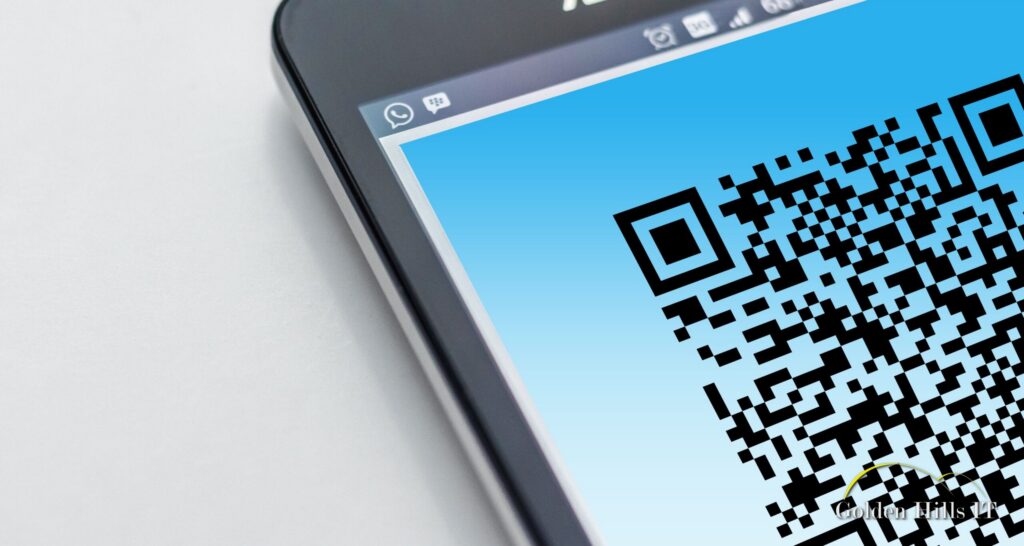
QR code scams pose an increasing threat to businesses in Kern County. Known as quishing, these scams hide malicious links in QR codes, making them tricky for traditional security measures to catch. As QR codes become more integrated into everyday business operations, it’s important for local businesses to understand and address this risk.
Quick answer: A QR code scam, or quishing, hides harmful links within QR codes, allowing them to slip past traditional security filters. When scanned, these codes often lead to phishing sites designed to steal sensitive information. To protect themselves, businesses should carefully evaluate QR codes, educate their staff, and adopt advanced security measures.
Key takeaways
- QR code scams evade typical email security by embedding links in images.
- Scanning QR codes on personal devices can put sensitive information at risk.
- Teaching employees about quishing is vital for prevention.
- Using phishing-resistant MFA can help reduce risks.
- Keep an eye out for unusual account activity if a scam is suspected.
What is a QR code scam?
A QR code scam uses QR codes to carry out phishing attacks. These scams bypass normal security measures by embedding harmful links within the visual code. When scanned, these codes direct users to fake websites designed to steal login credentials or payment information. The QR code itself just serves as a tool to trick people into entering sensitive data on fraudulent sites.
Why do QR code scams bypass security?
QR code scams work because they take advantage of two main weaknesses. First, the harmful link is embedded in an image, which most email security systems can’t read. This lets the scam sneak past filters that would catch a suspicious text link. Second, scanning a QR code usually happens on a personal phone, which doesn’t have the same security protections as work computers, leaving users more open to attacks.
How common are QR code scams?
QR code scams are becoming more frequent. Microsoft reported a 146% jump in QR code phishing during the first quarter of 2026. Many of these scams are delivered through PDF attachments in emails, appearing harmless until the QR code is scanned. This increase highlights the need for awareness and education to tackle this growing threat.
To provide a local perspective, consider a small retail business in Bakersfield. They might receive an email with a QR code claiming to offer a discount or reward. Without proper training, an employee could scan the code, thinking it’s a legitimate offer, only to compromise sensitive company information. This scenario shows the importance of vigilance and training in recognizing potential scams.
What do common QR code scams look like?
Here are some typical scenarios:
- Fake security alerts: Emails pretending to be from IT or Microsoft asking you to scan a code to verify or re-enroll in security measures.
- Shared documents: Scams that mimic a colleague sharing a file, requiring a QR code scan to access.
- Phony invoices: PDF invoices with a QR code for “quick payment” that redirects to an attacker’s site.
- Delivery notifications: Messages about missed deliveries asking for a scan to reschedule, a scam the FTC has warned about.
- Tampered physical codes: Stickers placed over legitimate QR codes on public surfaces like parking meters or posters.
How can businesses protect against QR code scams?
Steps to protect your business:
- Be cautious with QR codes in emails: Treat them with the same skepticism as unknown links. Always verify the sender’s details and the context of the email before scanning any QR code.
- Verify web addresses: Before proceeding, check if the URL is legitimate. Hover over the code with your phone’s camera to preview the link, if your device allows it, without actually opening the link.
- Avoid scanning when unsure: Manually enter web addresses in a browser instead. This ensures you are navigating to the correct, secure website.
- Look for urgency cues: Be wary of messages that pressure immediate action. Scammers often use urgency to trick users into acting without thinking.
- Use phishing-resistant MFA: Implement multi-factor authentication methods that are resistant to phishing. This adds an additional layer of security, requiring more than just a password to access accounts.
- Inspect physical QR codes: Check for tampering on publicly displayed codes. If you notice a QR code that looks like it could be a sticker placed over another, report it to the business or entity responsible for the display.
- Educate your team: Regularly inform employees about the risks and signs of QR code scams. Conduct workshops or training sessions to keep everyone updated on the latest threats.
Example for a local business:
Picture a Tehachapi dental office that uses QR codes for patient check-ins. They should regularly inspect these codes to ensure no tampering has occurred. Additionally, staff should be trained to recognize signs of potential tampering or phishing attempts, such as codes that look different or emails that seem suspicious.
What to do if someone already scanned one
If a QR code is scanned and sensitive information is entered, take these steps:
- Change passwords immediately: Update the compromised account and any accounts with shared passwords.
- Enable multi-factor authentication: Ensure MFA is active on all accounts to add an extra layer of protection.
- Notify IT management: Alert your IT team to monitor for unusual activities. They can implement additional monitoring on the network to detect any anomalies.
- Contact your bank: If financial information was entered, notify your bank and monitor accounts closely. They may advise on additional steps to secure your accounts.
What this means for businesses in Kern County
For businesses in Kern County, QR code scams present a significant risk, especially given the rural nature and varying levels of tech-savviness across the region. With long distances and sometimes spotty internet, employees may rely more on mobile devices, increasing exposure. Educating staff and implementing strong security practices is essential to protect against these threats.
What law firms should do about QR code scams
Law firms, handling sensitive client information, should prioritize security training about QR code scams. Implementing strong cybersecurity measures, such as phishing-resistant MFA, can safeguard client data. Regular updates and training sessions can ensure staff are aware of the latest threats and how to handle them.
Specific actions for law firms:
- Conduct regular training sessions: These should focus on identifying phishing attempts, recognizing suspicious QR codes, and understanding the importance of data protection.
- Implement strict access controls: Limit access to sensitive information to only those who absolutely need it.
- Regularly update security software: Ensure that all systems are running the latest security patches and updates to protect against known vulnerabilities.
Frequently asked questions
Are QR codes safe to use?
Most QR codes are safe, particularly those in controlled environments like restaurants or official terminals. The danger lies in codes found in unexpected emails or placed over existing codes in public. Exercise caution with these.
What is quishing?
Quishing is a form of phishing that uses QR codes instead of text links to direct victims to fraudulent sites. The aim is to capture sensitive information like login credentials or payment details.
Can antivirus or email filters stop QR code scams?
Not entirely. Many security tools focus on text and may not detect malicious links hidden in QR codes. Some advanced tools now offer image scanning, but relying solely on them is risky.
Why is a QR code in an email more dangerous than a normal link?
A QR code in an email is more dangerous because it conceals the link from security filters and prompts scanning with a personal device, which often lacks the protections of a work computer.
What should I do if I scanned a scam QR code but didn’t enter anything?
If you scanned a code but didn’t enter any information, your risk is low. Close the page and inform your IT team so they can monitor for any suspicious activity.
Protect your business with Golden Hills IT
Securing your business against threats like QR code scams is vital. Golden Hills IT, based in Tehachapi, offers expert guidance and support to businesses across Kern County and California special districts. For a free, no-pressure IT review, reach out to us today. Let’s work together to keep your business safe and secure.
How Golden Hills IT can help:
- Customized security solutions: Tailored to fit the specific needs of your business, ensuring thorough protection against all types of threats.
- Continuous monitoring and support: Our team provides ongoing support and monitoring to quickly identify and respond to potential security breaches.
- Employee training programs: We offer specialized training sessions to educate your staff on the latest cybersecurity threats and best practices for prevention.